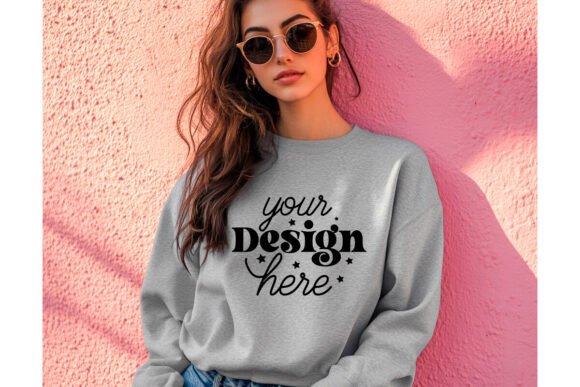
Gildan 18000 Ash Mockup 27: A Designer's Real-World Review
As someone who spends hours digitizing patterns and stitching out samples for clients, I know that the difference between a sale and a scroll often comes down to presentation. Before a single needle hits the fabric, the visual promise must be perfect. Recently, I've been evaluating the Gildan 18000 Ash Mockup 27 to see how it holds up for real-world embroidery projects. This isn't just about having a pretty picture; it's about having a reliable tool that helps us visualize the finished product before we commit thread to cloth.
The First Impression: Texture and Tone
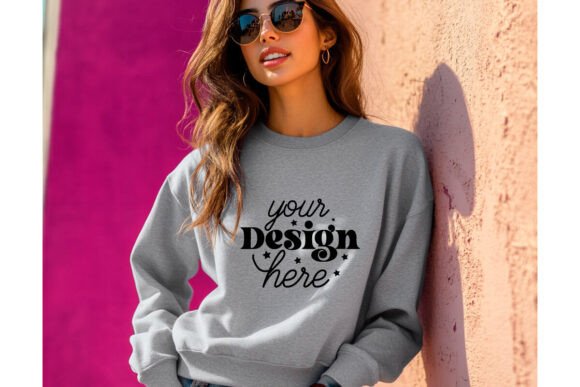
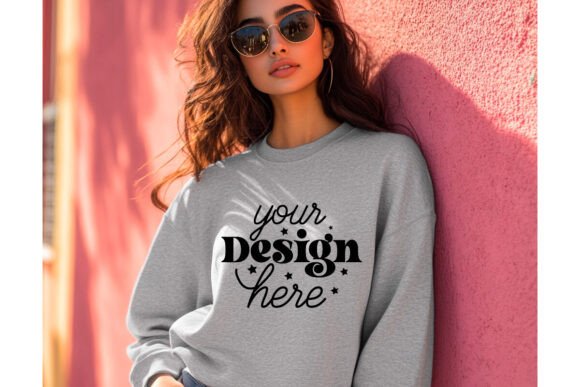
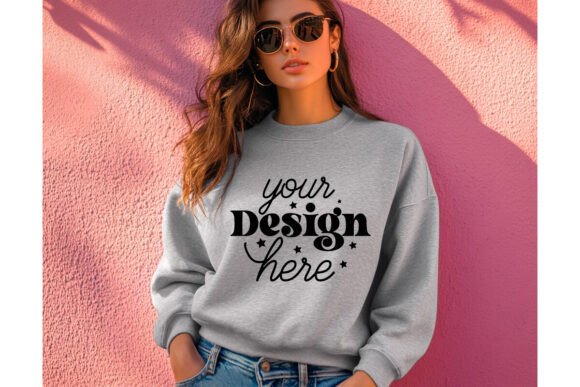
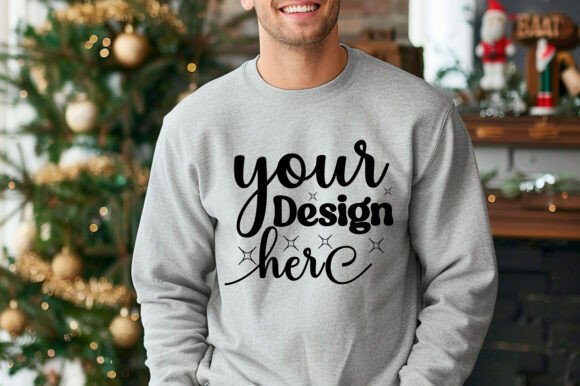
When you first load the Gildan 18000 Ash Mockup 27, the immediate takeaway is the realistic representation of the garment's texture. The "Ash" colorway is notoriously difficult to render digitally because it sits in that complex middle ground between grey and white, often carrying a heathered nuance that flat colors miss. This mockup captures that subtle fabric grain effectively. For an embroidery designer, this is crucial. It allows you to gauge how your machine embroidery design will pop against a neutral but textured background.
The layout of the image suggests a professional, clean aesthetic. It doesn't scream for attention with unnecessary props or distracting lighting. Instead, it offers a blank canvas—literally. Since the included JPEG images are logo-free and completely blank, you have total freedom to place your embroidery file exactly where it needs to be. Whether you are planning a left-chest logo, a large back piece, or a sleeve detail, the high-resolution nature of the graphic ensures your digital placement looks crisp.
Real-Life Application: The Boutique Sweatshirt Scenario
To truly test the utility of this asset, I imagined a common scenario for many Etsy sellers and craft business owners: launching a line of custom embroidered sweatshirts for the upcoming holiday season. Let's say you are creating a cozy, oversized crewneck with a delicate floral satin stitch design on the front.
Using the Gildan 18000 Ash Mockup 27, I could instantly visualize how the pastel threads of the flower would contrast against the ash grey fabric. In a real embroidery project, ash fabric can sometimes make light colors look washed out if the stitch density isn't high enough. Seeing the design on this specific mockup helped me realize I might need to increase the stitch density or add a slight underlay to ensure the colors remained vibrant. This kind of pre-visualization saves wasted hoop time and expensive thread.
Furthermore, for small shop products, consistency is key. If you are listing ten different designs on your online store, using the same high-quality base image creates a cohesive brand identity. Customers trust shops that look professional, and a consistent printable mockup strategy goes a long way in building that trust.
Versatility Across Product Types
While my initial test focused on apparel, the versatility of this graphic extends further. The neutral tone of the ash garment makes it an excellent candidate for various custom apparel items beyond just sweatshirts. Imagine using this for:
- Tote bag designs: Visualizing how a bold fill stitch logo looks on a canvas-like texture.
- Baby embroidery: Soft, neutral tones are huge in the nursery market. This mockup perfectly mimics the gentle aesthetic needed for baby onesies or blankets.
- Holiday embroidery: Red and green threads stand out beautifully against ash, making it ideal for Christmas gift previews.
- Embroidered patches: Even if the final product is a patch, showing it "applied" to a garment helps buyers understand the scale and context.
For digital product sellers, having a high-resolution original JPEG is a goldmine. It means you can zoom in to show off the intricate details of your running stitch outlines or the smooth gradients of your satin columns without the image becoming pixelated.
Critical Considerations for Embroiderers
However, a mockup is a simulation, not a substitute for physical testing. While the Gildan 18000 Ash Mockup 27 provides an excellent visual reference, there are physical realities of embroidery that a JPEG cannot fully replicate. When moving from the screen to the hoop, keep the following in mind:
Fabric Texture and Stitch Interaction: The ash color often implies a heathered fabric blend. In reality, these fabrics can be slightly more textured than a smooth broadcloth. Detailed corners and tiny lettering might get lost if the fabric pile is too high. Always test your design on a scrap piece of the actual Gildan 18000 or similar weight fabric first.
Stabilizer Selection: Because ash garments can sometimes be lighter or have a different weave than solid darks, choosing the right stabilizer is vital. A cut-away might be necessary for stretchy areas to prevent puckering, which the mockup obviously won't show. The pristine look of the digital image assumes perfect tension and stabilization.
Thread Color Contrast: What looks vibrant on a backlit screen might appear muted on heathered grey. I recommend checking your thread colors in natural light against the actual fabric. Sometimes, a color that pops in the design assets folder needs to be swapped for a slightly darker or more saturated shade in real life to achieve the same impact.
Commercial Use and Licensing
For those running a commercial embroidery operation, understanding the licensing of your tools is as important as the quality of your stitching. The Gildan 18000 Ash Mockup 27 falls under the category of Product Mockups and Graphics. Before selling finished items or using these images in advertising, you must confirm the specific license terms provided by the creator. Generally, these blank mockups are intended to help you showcase your own work, but verifying whether you can use them for unlimited client projects or if there are restrictions on resale is a necessary step.
Final Verdict: A Solid Addition to Your Toolkit
In the competitive world of handmade goods and personalized gifts, presentation is half the battle. The Gildan 18000 Ash Mockup 27 offers a clean, professional, and highly usable foundation for showcasing your embroidery work. It bridges the gap between the digital embroidery file and the tangible handmade product, allowing you to make informed decisions about placement, color, and scale.
It is particularly valuable for apparel decorators who need to present options to clients quickly without stitching multiple samples. By providing a realistic preview, it enhances buyer engagement and helps set accurate expectations. Just remember to pair this digital advantage with good old-fashioned sampling on scrap fabric. When you combine the visual clarity of this mockup with your technical embroidery skills, the result is a finished product that not only looks great online but feels even better in hand.
Whether you are a hobbyist looking to upgrade your Etsy listings or a seasoned pro managing a large catalog of design assets, this mockup serves as a reliable, versatile, and essential part of your workflow. It turns the abstract idea of a design into a concrete vision of success.