Gildan 18000 Ash Mockup 18: A Designer's Real-World Review
As someone who spends hours digitizing machine embroidery designs and prepping files for clients, I have learned that the presentation of a finished product is just as critical as the stitching itself. When I first encountered the Gildan 18000 Ash Mockup 18, my immediate reaction wasn't just about the image quality, but about how this specific visual asset could bridge the gap between a digital embroidery file and a tangible sale. In the world of Product Mockups and Graphics, finding a template that feels authentic rather than sterile is rare. This mockup offers a grounded, realistic canvas that speaks directly to the needs of Etsy sellers, apparel decorators, and creative entrepreneurs looking to showcase their work with integrity.
The Visual Personality of the Ash Tone
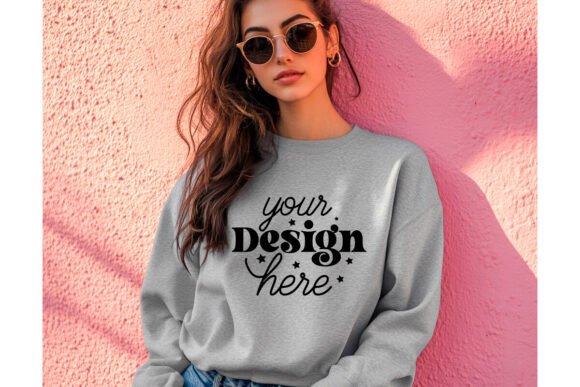
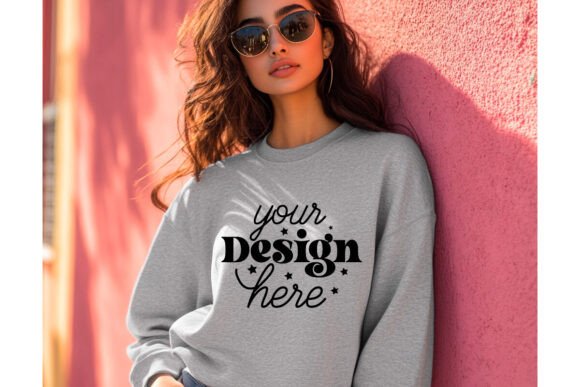
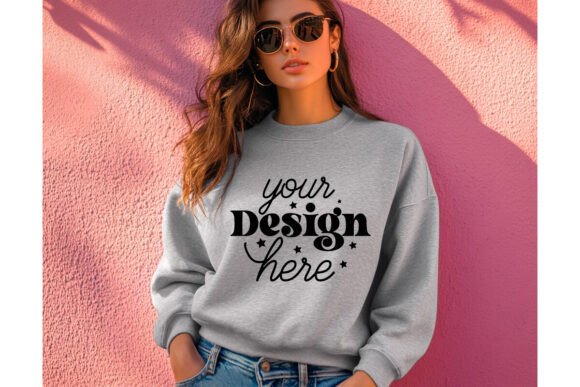
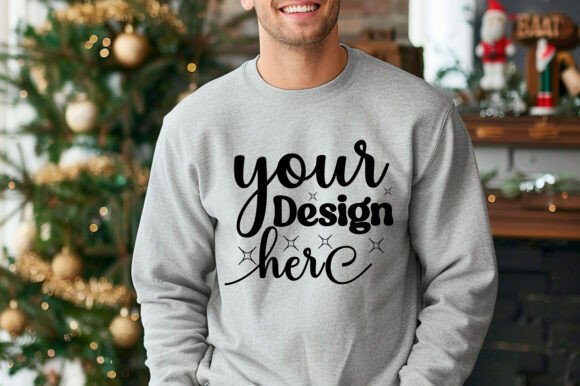
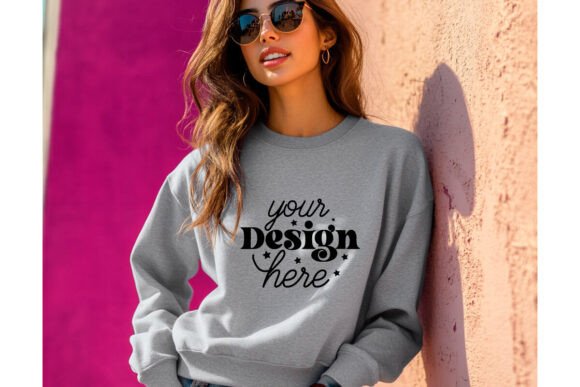
The first thing that strikes me about the Gildan 18000 Ash Mockup 18 is the color palette. The "Ash" tone is not a stark white or a heavy charcoal; it sits comfortably in the middle, offering a heathered texture that implies softness and durability. For an embroidery designer, this is gold. Many mockups are too clean, making the final finished product look artificial. This asset, however, captures the subtle noise of cotton-blend fabric. When you overlay your custom apparel designs onto this background, the result feels like a photograph taken in a natural light studio rather than a computer-generated render.
This mood is essential for building customer trust. If you are selling a personalized gift or a boutique item, the customer needs to visualize the texture of the garment. The ash background allows thread colors to pop without the harsh contrast of pure white, while still providing enough neutrality for dark or vibrant stitches to stand out. It creates a professional atmosphere that elevates a simple handmade product into a premium offering.
Real-World Application: The Custom Sweatshirt Scenario
To truly test the value of this mockup, I imagined a real-life scenario common in my workflow: preparing a listing for a custom embroidered sweatshirt for a local coffee shop. The client wanted a rustic, vintage-style logo stitched onto Gildan 18000 Heavy Blend sweatshirts. Using the Gildan 18000 Ash Mockup 18, I was able to visualize exactly how the satin stitch borders and fill stitch areas would interact with the heathered fabric.
In this context, the mockup shines. It helped me determine that a slightly lighter thread shade would be necessary to ensure visibility against the ash background, a decision I might have missed if I were only looking at a flat color swatch. For small shop products, this level of foresight prevents costly mistakes. Whether you are creating a tote bag design, a baby embroidery piece, or holiday merchandise, seeing your design on a realistic garment shape helps you gauge the scale and placement before a single needle hits the fabric.
Versatility Across Product Categories
While my initial test focused on apparel, the utility of this graphic extends far beyond sweatshirts. The neutral nature of the ash tone makes it an excellent candidate for various embroidery projects. I can easily see this being used for:
- Home Decor: Visualizing pillow covers or kitchen towels where a soft, neutral base is preferred over bright whites.
- Accessories: Mocking up embroidered patches or caps where the fabric texture adds depth to the presentation.
- Seasonal Items: Creating previews for holiday embroidery gifts, where the cozy ash tone complements winter themes perfectly.
- Digital Assets: Serving as a high-quality base for printable mockups sold to other designers who need realistic design assets for their portfolios.
The key here is adaptability. Because the image received is logo-free and completely blank, it acts as a true chameleon. You are not fighting against pre-existing shadows or weird lighting angles that don't match your stitch direction. You get a high-resolution original JPEG that respects the lighting logic of a real garment.
Critical Considerations for Embroidery Designers
However, even the best mockup cannot replace physical testing. As a reviewer, I must emphasize that while Gildan 18000 Ash Mockup 18 provides a fantastic visual approximation, it does not account for the physical realities of stitch density on textured fabrics. When working with heathered or thick materials similar to the Gildan 18000 style, certain design elements require extra caution.
If you are planning a project with tiny lettering or intricate running stitch details, remember that the fabric texture can sometimes swallow fine lines. In a mockup, everything looks crisp. On actual fabric, especially if it is stretchy or has a loose weave, those details might blur. I always advise checking your hoop size constraints and ensuring your digitizing software accounts for the fabric pull. Additionally, if you are working on curved surfaces like caps or layered garments, the way light hits the stitches in real life will differ from the flat perspective of a JPEG.
Enhancing Brand Consistency and Buyer Engagement
From a business standpoint, consistency is king. Using a reliable mockup like this helps establish a cohesive look across your Etsy listings or website. When customers scroll through your shop and see uniform, high-quality presentations, it signals professionalism. It tells them that you care about the details, which translates to perceived value. A well-presented commercial embroidery project in a realistic setting can justify a higher price point than the same design shown on a plain white background.
Furthermore, this mockup aids in color selection. By testing your digital embroidery file against the ash background, you can quickly identify if your thread colors have enough contrast. This is particularly important for applique design work, where fabric layers need to be distinct. If the colors blend too much in the mockup, they will likely disappear on the actual garment.
Final Verdict and Practical Tips
The Gildan 18000 Ash Mockup 18 is a robust tool for any designer serious about their presentation. It strips away the guesswork of how a design might look on a popular garment style. However, before you finalize any craft business items or client orders based on this visual, adhere to these practical steps:
- Test on Scrap Fabric: Always stitch a sample on a similar weight and texture fabric to verify how the stabilizer interacts with the material.
- Check Licensing: While this is a graphic asset, ensure you understand the terms for using the mockup images in your commercial listings versus selling the digital file itself.
- Verify Details: Since exact stitch counts and specific file formats for embroidery aren't part of this graphic product, double-check your own embroidery file specifications independently.
- Contrast Check: View your design in black and white to ensure the tonal values hold up, regardless of the ash background.
In conclusion, this mockup is more than just a pretty picture; it is a strategic asset for visualizing success. It allows you to step into the shoes of your customer, seeing the personalized product exactly as they would hope to receive it. For those looking to elevate their brand and reduce the disconnect between digital proof and physical reality, this is a worthwhile addition to your design toolkit.